Raw Tomato Pasta: The Summer Dish That Changes Everything
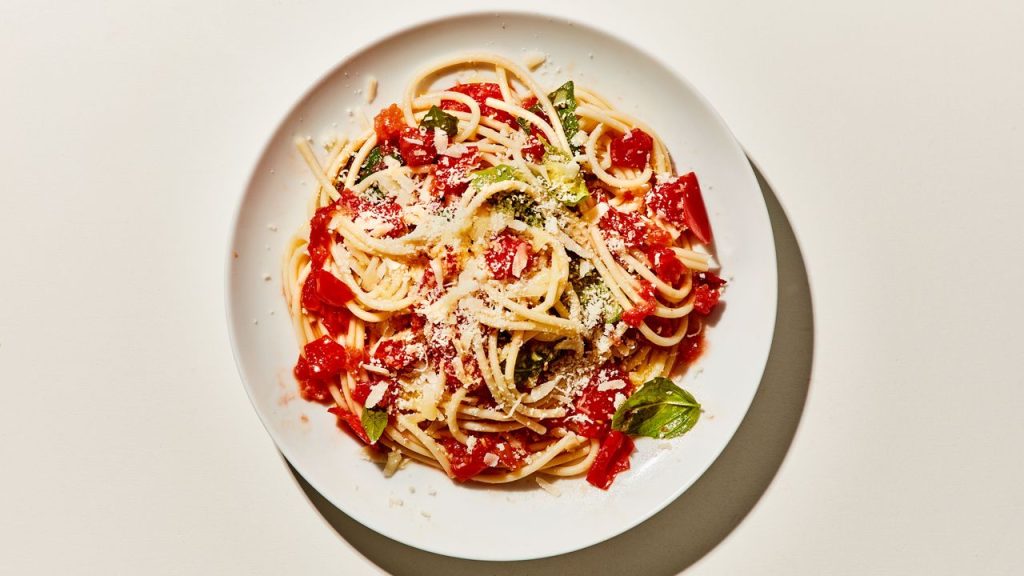
There’s something magical about letting peak summer tomatoes do all the work while you barely lift a finger. This no-cook tomato sauce represents everything I love about seasonal cooking – maximum flavor with minimal effort. But here’s the thing: this dish is absolutely not for everyone, and that’s exactly what makes it brilliant.
If you’re someone who thinks pasta sauce must be simmered for hours or comes from a jar, this approach will either revolutionize your cooking or leave you completely bewildered. I firmly believe this technique works best for confident home cooks who understand that sometimes the simplest preparations yield the most extraordinary results.
Why This Method Works (And When It Doesn’t)
The genius lies in the chemistry of hot pasta meeting room-temperature ingredients. The residual heat melts the cheese and butter while preserving the bright, acidic punch of fresh tomatoes. This creates a silky sauce that clings beautifully to each strand of pasta without any cooking whatsoever.
However, I must be honest – this recipe demands absolute perfection in your ingredients. Mediocre tomatoes will result in a mediocre dish. If it’s February and you’re working with pale, flavorless supermarket tomatoes, skip this entirely and make a traditional cooked sauce instead.
The Essential Components
Start with one and a half pounds of the ripest tomatoes you can find – slightly overripe specimens work even better. Plum, heirloom, or beefsteak varieties all excel here. The key technique involves removing seeds and excess liquid before chopping the flesh into irregular pieces.
The supporting cast includes one finely grated garlic clove, two ounces of freshly grated Parmesan cheese, a quarter cup of excellent extra-virgin olive oil, two tablespoons of cold butter cut into small pieces, four teaspoons of red wine vinegar, and a half teaspoon of red pepper flakes. Kosher salt ties everything together.
For the pasta, choose something with texture that can grab onto the sauce – bucatini, spaghetti, or linguine work perfectly. You’ll need twelve ounces to serve four people generously.
The Technique That Makes All the Difference
After removing seeds and chopping your tomatoes, mash them lightly with a potato masher or large spoon to release their natural juices. This step is crucial – you want those tomatoes breaking down slightly to create the base of your sauce.
Combine the mashed tomatoes with garlic, Parmesan, olive oil, butter pieces, vinegar, and red pepper flakes. Season generously with salt, then cover and let this mixture rest at room temperature for at least thirty minutes, though up to five hours works even better. This resting period allows the flavors to meld and the tomatoes to release more of their precious juices.
When you’re ready to serve, cook your pasta in heavily salted boiling water until just al dente. Here’s where timing becomes critical – use tongs to transfer the hot pasta directly into the bowl with your tomato mixture. The heat from the pasta will melt the butter and cheese, creating a luxurious sauce that coats every strand.
Who Should Make This (And Who Shouldn’t)
This dish is perfect for experienced home cooks who appreciate ingredient-driven cooking and aren’t afraid of simplicity. It’s ideal for entertaining because most of the work happens hours before your guests arrive. Anyone with access to a good farmers market or homegrown tomatoes will find this recipe transformative.
However, if you prefer heavily sauced pasta dishes or need your meals to feel “substantial,” this might disappoint you. The sauce is intentionally light and fresh – it’s about highlighting the tomatoes, not masking them. Picky eaters who avoid raw garlic or prefer mild flavors should probably look elsewhere.
Finish each serving with torn fresh basil leaves, additional Parmesan, and a drizzle of your best olive oil. The result is a dish that captures the essence of summer in every bite – assuming you start with tomatoes worthy of the spotlight.