New Pokémon Life Simulation Game Captivates Players with Post-Apocalyptic World Building
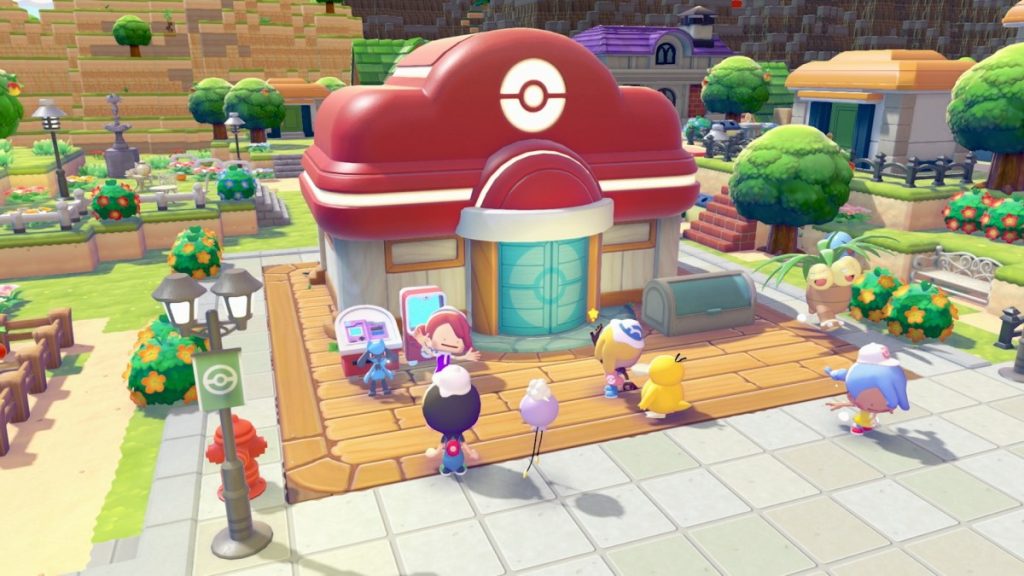
A recently released Pokémon life simulation game has captured the attention of players worldwide, offering an unprecedented departure from the franchise’s traditional format. The cozy gaming experience combines elements reminiscent of popular titles like Animal Crossing, Stardew Valley, and Minecraft, but sets the action in a devastated version of the iconic Kanto region.
The game’s appeal has proven so strong that it has exceeded initial sales projections, prompting retailers to increase physical copy prices to $80 due to supply constraints. As the first exclusive title for Nintendo’s latest console generation, it has become a significant driver for hardware upgrades among gaming enthusiasts.
A Departure from Recent Franchise Entries
This new release stands in stark contrast to recent main series Pokémon games, which received mixed reviews due to technical issues and rushed development. While previous entries in the franchise often lost player engagement after completing the main storyline, this life simulation title offers an expansive experience that keeps players invested for dozens of hours.
The game features four distinct regions plus a multiplayer sandbox area, with the main narrative requiring substantial time investment to complete. Early players report spending over twenty hours in the first week while barely progressing halfway through the core content, suggesting remarkable depth and longevity.
Post-Apocalyptic Setting with Environmental Themes
Players assume the role of a shape-shifting Pokémon who has taken the form of their missing trainer in a world where all humans have mysteriously vanished. The once-vibrant Kanto region has transformed into a desolate wasteland, with familiar Pokémon showing signs of environmental degradation and adaptation to harsh conditions.
The narrative unfolds through scattered documents, diary entries, and newspaper clippings that gradually reveal the circumstances behind humanity’s disappearance. References to climate disasters, infrastructure failures, and technological dependencies create an unexpectedly mature backdrop for what remains fundamentally a cozy gaming experience.
Environmental Commentary Through Gameplay
The game incorporates subtle commentary on contemporary issues, including references to music streaming service shutdowns due to server costs and the return to physical media formats. These elements reflect real-world concerns about digital infrastructure sustainability and the environmental impact of expanding data center networks.
Climate themes permeate the gameplay mechanics, with players working to restore damaged ecosystems and help Pokémon recover from environmental trauma. The rehabilitation process serves as both engaging gameplay and metaphor for ecological restoration efforts.
Immersive Gameplay Mechanics
Core gameplay revolves around habitat construction and ecosystem restoration, requiring players to solve environmental puzzles and coordinate with various Pokémon characters. The building mechanics allow for creative problem-solving, such as organizing weather-manipulation events to overcome geological obstacles.
Character interactions emphasize cooperation and community building, with Pokémon serving as both companions and collaborators in restoration efforts. The social dynamics create emotional investment that extends beyond traditional gaming objectives.
Market Impact and Cultural Significance
The title’s success demonstrates strong market demand for thoughtful, environmentally-conscious gaming experiences that address contemporary anxieties while providing escapist entertainment. Unlike purely escapist titles, this game offers players the psychological satisfaction of actively repairing a damaged world rather than simply avoiding real-world problems.
Industry observers note the timing coincides with growing public awareness of environmental issues and digital infrastructure challenges, suggesting the game’s themes resonate with current cultural concerns. The combination of familiar franchise elements with mature thematic content has created a unique market position that appeals to both longtime fans and new audiences seeking meaningful interactive experiences.