Discovering Hidden Indigenous and African American Heritage Sites Across America’s Original 13 States
As the United States approaches its 250th anniversary, I believe this milestone presents a crucial opportunity to examine the complete narrative of American history—one that extends far beyond the traditional colonial story. The Indigenous peoples who inhabited these lands for millennia and the enslaved Africans who built the foundation of American society deserve recognition in any authentic celebration of our nation’s heritage.
What strikes me most about exploring Black and Indigenous history across the original thirteen colonies is how these stories have been systematically overlooked in mainstream tourism. This isn’t just about political correctness—it’s about understanding the true foundations of American culture and economy. For travelers seeking authentic historical experiences rather than sanitized colonial narratives, these sites offer profound insights into the real America.
New England’s Complex Heritage
New Hampshire reveals surprising depths when you look beyond its quaint New England facade. The Abenaki people lived in what they called N’dakinna for over 12,000 years before European contact. I find it remarkable that visitors can explore this heritage at the Strawbery Banke Museum’s People of the Dawnland Exhibit in Portsmouth. The city’s Black Heritage Trail and African Burying Ground Memorial—discovered accidentally during construction in 2003—demonstrate how Black history literally lies beneath our feet in unexpected places.
Massachusetts offers perhaps the most accessible entry point for understanding interconnected Black and Indigenous histories. The story of Crispus Attucks, the first casualty of the Boston Massacre, exemplifies this intersection—a man of both African and Wampanoag heritage who became a symbol of American resistance. Boston’s Black Heritage Trail through Beacon Hill provides excellent context for understanding how free Black communities organized resistance to slavery.
What I find particularly compelling about Martha’s Vineyard is how it demonstrates the complexity of racial dynamics in early America. The island’s African American Heritage Trail reveals how the Wampanoag people actively defied federal law to help enslaved people escape, risking their own safety in the process.
Mid-Atlantic Revelations
Rhode Island’s history challenges common assumptions about slavery in America. Most people don’t realize that this tiny state was once North America’s largest slave trading port. The preservation of God’s Little Acre burial ground in Newport and the Tomaquag Museum—the state’s only Indigenous-run institution—offer essential perspectives often missing from colonial tourism.
New York’s Indigenous heritage as Lenapehoking remains visible for those who know where to look. The Shinnecock National Cultural Center provides living history that extends far beyond museum displays. In New York City, the story of Seneca Village—a thriving Black community destroyed to create Central Park—reveals how urban development has repeatedly displaced communities of color.
Pennsylvania’s sites tell particularly difficult stories that I believe every American should confront. The Carlisle Indian Industrial School represents one of the darkest chapters in federal Indian policy, where the motto was literally “kill the Indian to save the man.” Contrasting this with Philadelphia’s Mother Bethel African Methodist Episcopal Church—a beacon of Black self-determination and Underground Railroad activity—illustrates the different paths communities took toward freedom and cultural preservation.
Southern Foundations
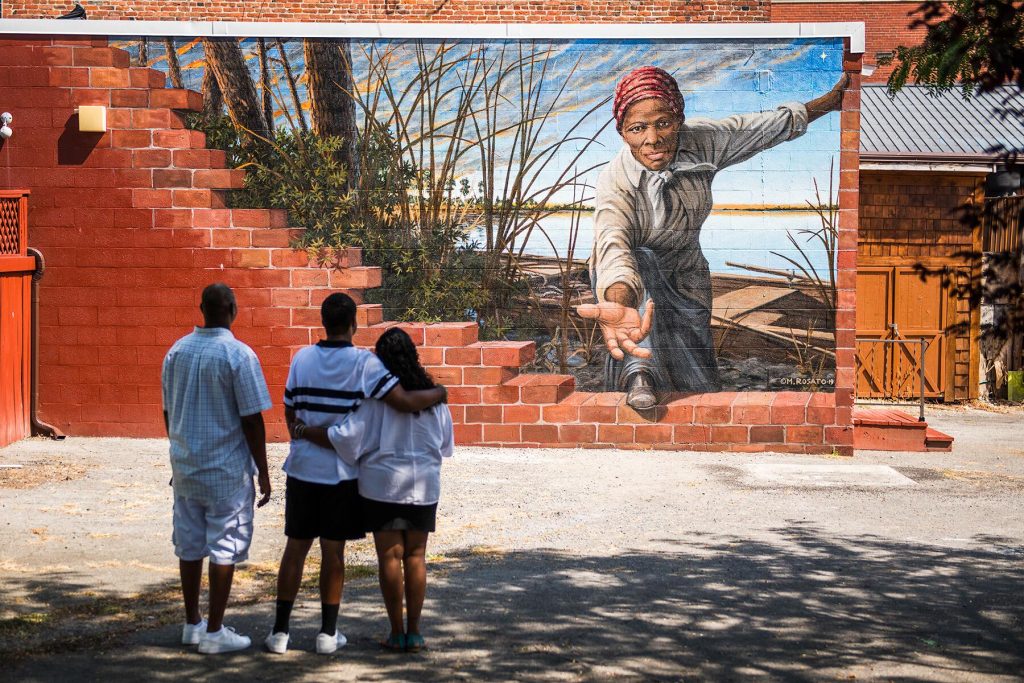
Maryland’s Harriet Tubman sites along the Eastern Shore offer tangible connections to Underground Railroad history. The landscape itself—marshes, waterways, and forests—becomes part of the story when you understand how Tubman used natural features for navigation and concealment. The Piscataway Nation’s history around the Chesapeake Bay demonstrates how Indigenous communities adapted to centuries of displacement while maintaining cultural connections to ancestral lands.
Virginia confronts visitors with the harsh realities of American origins. Jamestown in 1619 marks the beginning of institutionalized slavery in what would become the United States. The upcoming Shockoe Project in Richmond promises to create a comprehensive memorial to this history, but current sites like Historic Jackson Ward already offer authentic experiences of Black Southern culture.
The Carolinas provide essential context for understanding both Indigenous resilience and the development of distinctive African American cultures. North Carolina’s Lumbee Tribe—finally receiving federal recognition in 2025 after 137 years—exemplifies the bureaucratic obstacles Indigenous communities face. The International Civil Rights Center and Museum in Greensboro places visitors directly at the lunch counter where students sparked a movement.
South Carolina’s Gullah Geechee heritage represents one of America’s most remarkable cultural preservation stories. The International African American Museum in Charleston and ongoing traditions like sweetgrass basket weaving demonstrate how enslaved communities maintained African cultural practices despite systematic oppression.
Who Should Explore These Sites
I believe these destinations serve different audiences with varying levels of effectiveness. Serious history enthusiasts and educators will find invaluable primary source materials and authentic settings that bring textbook narratives to life. Families seeking to provide children with comprehensive American history education will discover age-appropriate ways to discuss difficult topics.
However, these sites aren’t for everyone. Visitors expecting comfortable, celebratory narratives about American exceptionalism may find these experiences challenging or uncomfortable. The history presented here doesn’t always align with simplified patriotic stories, and some people prefer their tourism without moral complexity.
Cultural tourists interested in living traditions rather than static museum displays will particularly appreciate sites like the Nanticoke Powwow in Delaware or Gullah Geechee communities in Georgia. These experiences offer authentic cultural exchange rather than performative demonstrations.
Planning Your Historical Journey
For maximum impact, I recommend approaching these sites with preparation and appropriate context. Reading background materials beforehand enhances understanding, while guided tours often provide insights unavailable through self-guided visits. Many sites offer educational programs that go beyond basic tourism to facilitate meaningful engagement with difficult histories.
The geographic distribution of these sites makes them ideal for regional road trips that can combine multiple perspectives within a single journey. The Tubman Byway connecting Maryland and Delaware exemplifies how historical narratives cross state boundaries and require broader geographic understanding.
What matters most, in my view, is approaching these sites with openness to stories that complicate simple narratives about American history. These aren’t just tourist attractions—they’re opportunities to understand how historical events continue shaping contemporary American society. For visitors willing to engage seriously with this heritage, these sites offer transformative educational experiences that traditional colonial tourism simply cannot provide.