Britain’s Defense Capabilities Face Critical Scrutiny Amid Rising Global Tensions
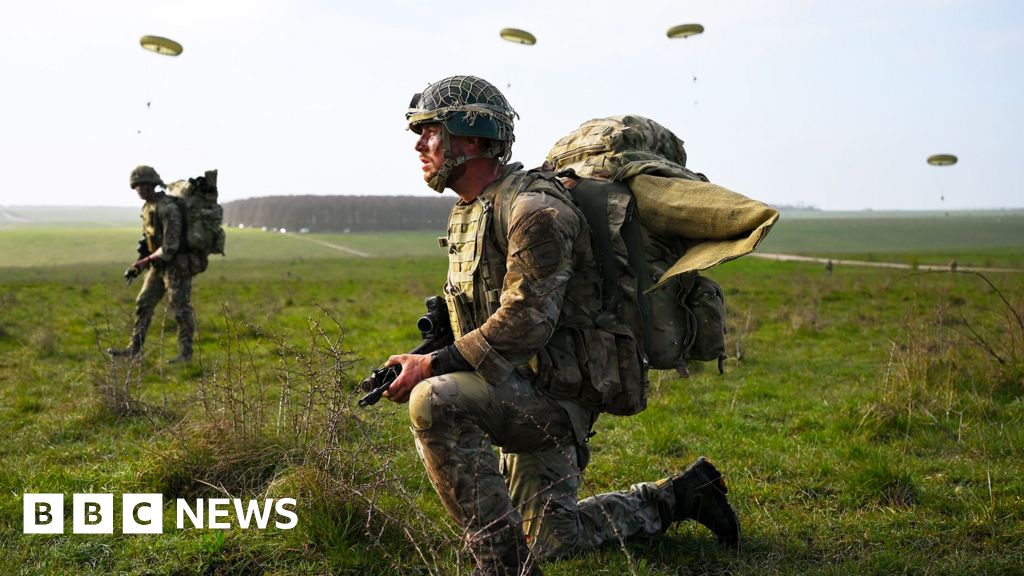
The United Kingdom finds itself at a crossroads regarding national security preparedness, with mounting criticism from defense experts about the government’s approach to military investment and strategic planning. This debate couldn’t be more timely or crucial for the nation’s future security posture.
A prominent former military alliance leader has delivered scathing criticism of the current administration’s defense policies, arguing that Britain’s security infrastructure remains dangerously inadequate. The critique centers on what he describes as institutional reluctance to make necessary financial commitments to defense modernization, despite acknowledging significant security threats.
In my view, this represents a fundamental misunderstanding of modern security challenges. The traditional approach of treating defense spending as discretionary rather than essential infrastructure investment is deeply problematic. For military personnel, defense contractors, and security professionals, this ongoing uncertainty creates an environment where long-term planning becomes nearly impossible.
The Investment Gap Challenge
Current defense expenditure stands at approximately 2.3% of gross domestic product, totaling around £66 billion annually. However, military strategists argue this figure falls short of addressing contemporary threats effectively. The government has committed to reaching 3% of GDP by the end of the parliamentary term, with aspirations of 3.5% for core defense spending by 2035.
What strikes me as particularly concerning is the apparent disconnect between strategic ambitions and fiscal reality. While officials tout a £270 billion investment commitment across the parliamentary term, the actual implementation mechanism remains unclear. This matters enormously for defense manufacturers who need predictable funding streams to develop next-generation capabilities.
For taxpayers and fiscal conservatives, the tension between defense spending and social welfare expenditure presents a genuine dilemma. Welfare spending currently represents 10.6% of GDP, approximately £322.6 billion, dwarfing defense allocations. However, I believe framing this as a zero-sum competition misses the point entirely.
Strategic Defense Modernization Plans
The government’s comprehensive defense review, completed in June 2025, outlined ambitious modernization goals including alliance-first policies and enhanced war-fighting readiness. Key proposals include an £11 billion annual budget for frontline equipment and the development of an integrated naval force incorporating aircraft, drones, and traditional vessels for Atlantic patrol duties.
These plans represent exactly the kind of forward-thinking approach modern security challenges demand. For military technologists and defense innovation companies, these initiatives offer significant opportunities. However, the continued delay in publishing the detailed investment plan undermines confidence in actual implementation.
The reality is that defense modernization benefits extend far beyond military applications. Advanced materials research, cybersecurity development, and autonomous systems technology all have civilian applications that drive economic growth. This is particularly relevant for technology workers and engineering professionals who could benefit from expanded defense research and development programs.
International Pressure and Alliance Dynamics
Recent international developments have intensified pressure on European nations to enhance defense capabilities. The ongoing conflict in Ukraine has demonstrated the importance of military preparedness, while evolving transatlantic relationships require European allies to assume greater responsibility for regional security.
Alliance leaders have agreed to ambitious spending targets of 5% of economic output by 2035, including 3.5% for core defense and additional security-related infrastructure investments. This represents a significant escalation from previous commitments and reflects the changing global security environment.
For international relations professionals and foreign policy analysts, these developments signal a fundamental shift in global security architecture. European nations can no longer rely on external security guarantees and must develop independent capabilities. This transition, while challenging, offers opportunities for countries willing to invest seriously in defense modernization.
Regional Conflict Implications
Current Middle Eastern tensions have highlighted gaps in British military readiness and deployment capabilities. Questions about naval positioning and response timing have exposed potential weaknesses in strategic planning and resource allocation.
The government’s cautious approach to direct military involvement, while politically understandable, raises questions about Britain’s ability to project power when necessary. For military families and service personnel, this creates uncertainty about mission requirements and operational tempo.
I believe the establishment of a dedicated Middle East Response Committee represents a positive step toward more systematic crisis management. However, diplomatic coordination cannot substitute for adequate military capabilities when situations escalate beyond political solutions.
The current debate ultimately reflects broader questions about Britain’s role in global security and its willingness to invest in maintaining that position. For defense professionals, the stakes couldn’t be higher, while for ordinary citizens, the implications extend to fundamental questions of national security and international standing.