Stock Market Recovers Following Sharp Decline as Middle East Tensions Fuel Economic Concerns
Financial markets experienced a significant rebound after suffering substantial losses, though economists warn that prolonged Middle Eastern conflicts could spark a devastating combination of economic stagnation and rising inflation.
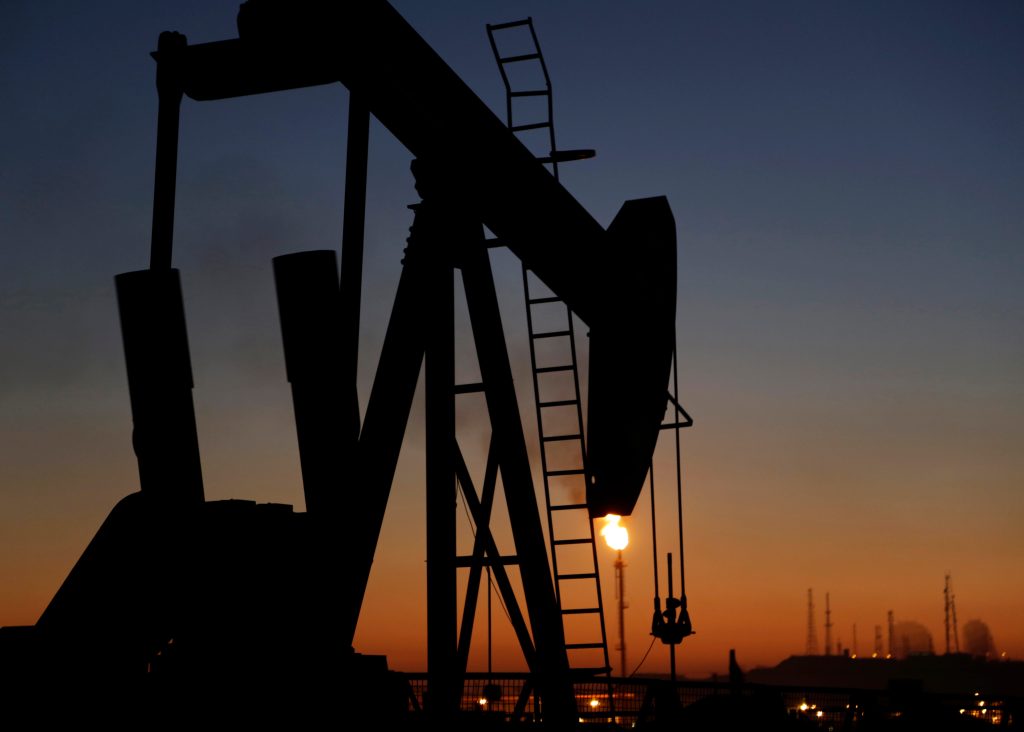
Industry analysts are expressing growing concern that extended military operations in the region could drive crude oil prices to unprecedented levels, potentially reaching $150 per barrel. Such dramatic price increases would likely trigger what economists refer to as stagflation – a particularly damaging economic scenario characterized by both sluggish growth and accelerating inflation.
The warning comes as market volatility continues to reflect investor uncertainty about the duration and scope of current geopolitical tensions. Financial experts suggest that if regional conflicts persist for an additional month to five weeks, the global economy could face severe disruptions that would ripple through energy markets and beyond.
This economic threat represents a double-edged challenge for policymakers, who would need to address both weakening economic performance and rising consumer prices simultaneously. Stagflation has historically proven difficult to combat, as traditional monetary policy tools often prove inadequate when dealing with both problems at once.
The energy sector remains particularly vulnerable to ongoing instability, with oil prices serving as a key barometer for broader economic health. Extended disruptions to regional oil production or distribution could have far-reaching consequences for global supply chains and consumer spending patterns.