The Inevitable Evolution of Digital Influencers Into Retail Entrepreneurs
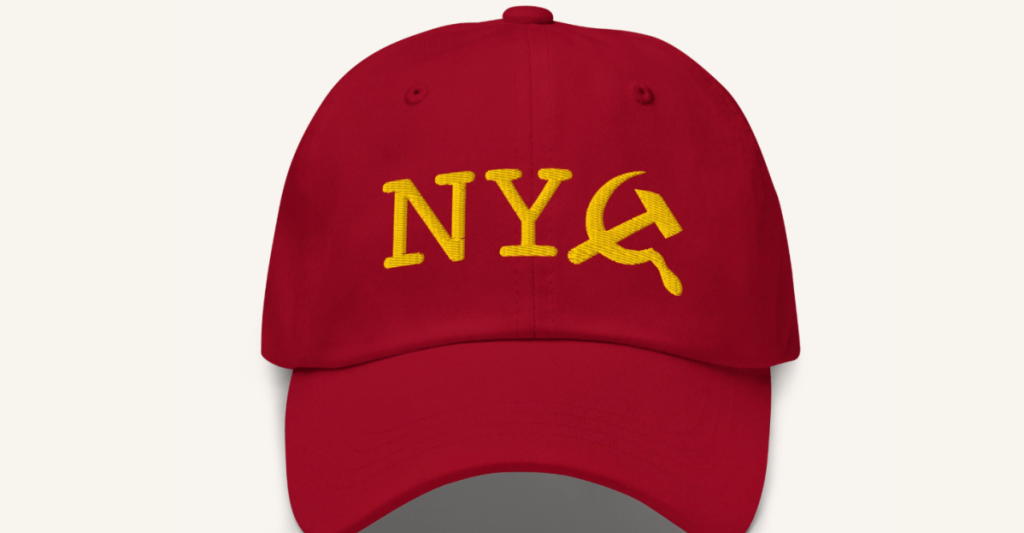
The digital content landscape has revealed a predictable pattern: successful online personalities inevitably transform into merchandise retailers. This phenomenon became particularly apparent when Tucker Carlson’s online shop began offering provocative items that unexpectedly appealed to audiences far beyond his typical conservative base.
Carlson’s merchandise catalog includes politically charged apparel and accessories, featuring items like a red and yellow baseball cap reading “NY Commie” with a hammer and sickle symbol, another cap stating “Neocons are gay for Israel,” and mugs declaring “I HEART NICOTINE.” These products have garnered attention from progressive audiences who find themselves ironically drawn to the designs despite opposing Carlson’s political stance.
The merchandise has sparked conversations among left-leaning social media users about the moral implications of purchasing appealing products from ideological opponents. One viral Instagram video with 4.7 million views expressed the conflict: “I need these to hit the thrift stores because as a socialist girlie I cannot support.” Some worker-owned companies have responded by creating duplicate designs as part of anti-Carlson collections.
The Economics of Content Creation
This merchandising strategy reflects a broader truth about the creator economy: the actual content production rarely generates substantial profits. Instead, creators rely on ancillary revenue streams including brand partnerships, advertising, and increasingly, physical product sales.
MrBeast exemplifies this model perfectly. Despite his expensive video productions operating at a loss, his food product line generates significant revenue through items like chocolate bars and gummy snacks. Industry executives have described the video content as essentially marketing investment for other business ventures, including television shows and financial applications.
The Merchandise Migration Pattern
Across all creator categories, the progression toward product sales appears inevitable. Beauty influencers establish cosmetics lines, lifestyle creators sell beverages and supplements, fitness personalities launch activewear brands, and podcast hosts market nutritional products. This diversification represents creators’ attempts to build sustainable businesses beyond the demanding cycle of constant content production.
The most extreme example may be TikTok star Khaby Lame, who recently signed a $975 million agreement allowing a Chinese e-commerce company to use his likeness and AI avatar for selling products across multiple categories. This arrangement effectively separates the creator’s earning potential from their physical presence and ongoing content creation efforts.
Political Merchandising as Strategy
The MAGA movement has demonstrated merchandise’s political power, with red campaign hats becoming iconic symbols. Right-wing content creators like Nick Shirley have followed similar patterns, launching merchandise lines after gaining viral attention. The Trump Organization has even pursued legal action against unauthorized merchandise sellers, recognizing the significant financial opportunity these products represent.
Carlson’s provocative merchandise serves a dual purpose: appealing to his established audience while simultaneously attracting attention from ideological opponents. The designs work as conversation starters that normalize his presence across different online communities, regardless of whether opposing audiences actually purchase the products.
This strategy demonstrates how merchandise functions beyond simple revenue generation, serving as a tool for audience expansion and cultural influence. The products become talking points that spread awareness of the creator’s brand without requiring viewers to consume their primary content.
The transformation from content creator to product retailer represents the natural evolution of digital influence, where sustainable monetization requires moving beyond the limitations of platform-dependent content creation.