Appeals Court Terminates SAVE Student Loan Program Affecting Millions of Borrowers
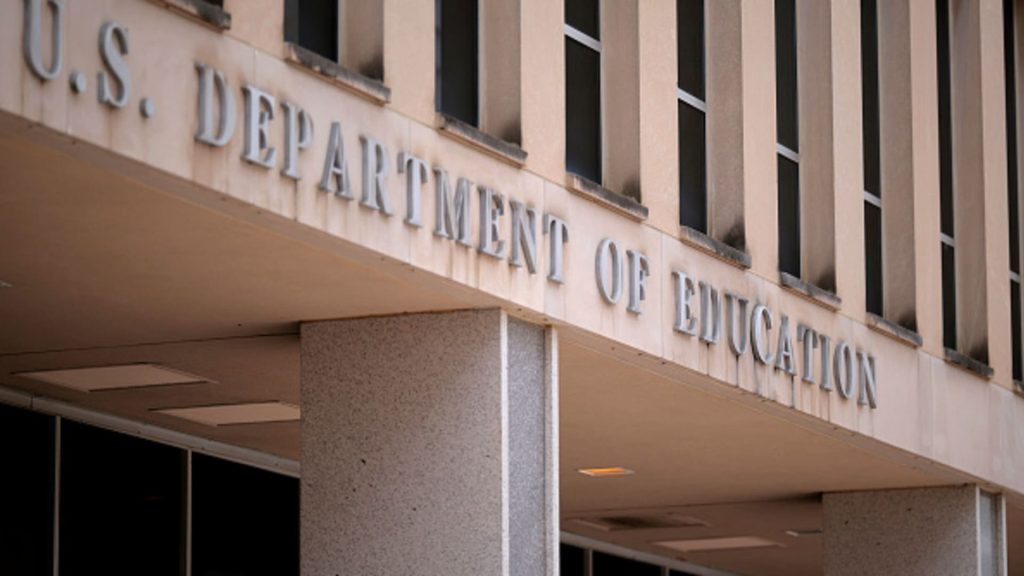
A federal appellate court has mandated the termination of the Saving on a Valuable Education (SAVE) program, a student loan repayment initiative from the Biden era that provided reduced monthly payments for millions of borrowers.
The U.S. Court of Appeals for the 8th Circuit issued its ruling Monday evening, overturning a lower court’s rejection of a Republican-backed lawsuit challenging the SAVE program.
The appellate judges reversed Judge John Ross’s February ruling from the U.S. District Court for the Eastern District of Missouri, which had previously dismissed the legal challenge.
Launched in 2023 by the Biden administration, SAVE was promoted as the most cost-effective repayment option ever developed. The program promised to reduce monthly payments by approximately 50% for many participants. However, Republican-initiated legal battles quickly suspended its implementation.
Consumer rights groups and borrowers had anticipated that the previous month’s court decision would temporarily restore the program. President Donald Trump’s comprehensive legislation eliminates the SAVE program effective July 1, 2028.
According to Department of Education data from the fourth quarter, over 7 million student loan borrowers remain registered in the SAVE program. These individuals were placed in administrative forbearance during the litigation, exempting them from monthly payments while interest continued accumulating since August.
Undersecretary of Education Nicholas Kent stated that the Department will provide comprehensive guidance in the upcoming weeks regarding next steps for borrowers currently in the discontinued SAVE Plan, including instructions for transitioning to approved repayment options.
Higher education specialist Mark Kantrowitz advises that borrowers currently in SAVE should promptly complete an Income-Driven Repayment Plan Request form and transfer to an alternative plan.
Kantrowitz recommends the Income-Based Repayment (IBR) plan as the optimal choice for most borrowers currently. He also suggests that individuals pursuing Public Service Loan Forgiveness submit a PSLF Buyback application to receive credit for months when their progress was halted under SAVE.
The Department of Education has not yet responded to requests for comment regarding the court’s decision.
Hours before the 8th Circuit’s ruling, four borrowers represented by Public Goods Practice LLP initiated legal action against the Department of Education. Their lawsuit contends that the agency must immediately activate the SAVE plan, arguing that the department’s failure to implement the program and provide reduced payments and loan forgiveness to qualified borrowers violates federal administrative regulations.
Elizabeth Robeson, a South Carolina plaintiff, detailed in the lawsuit how she initially borrowed $12,000 for her 1980s education at the University of Mississippi. Despite making over 100 payments beyond the 216 required for debt forgiveness under SAVE, her current balance has increased to $93,000.
Robeson emphasized her consistent compliance with loan requirements over decades, stating that the student debt crisis has trapped millions of law-abiding Americans in an inescapable financial maze.
Consumer advocacy groups warn that the One Big Beautiful Bill Act’s restructuring of the student loan system will likely increase payment burdens for borrowers. The legislation eliminates multiple affordable repayment options while extending terms for remaining programs.
Research from the Institute for College Access & Success indicates that a typical American household of four earning $81,000 annually could experience monthly payment increases from $36 to $440 due to these legislative modifications.
Congressional Research Service data shows that more than 42 million Americans carry student loans, with total outstanding debt surpassing $1.6 trillion.